Fast Customs Clearance
Quick and compliant clearance ensuring your shipments move without delays across major ports.
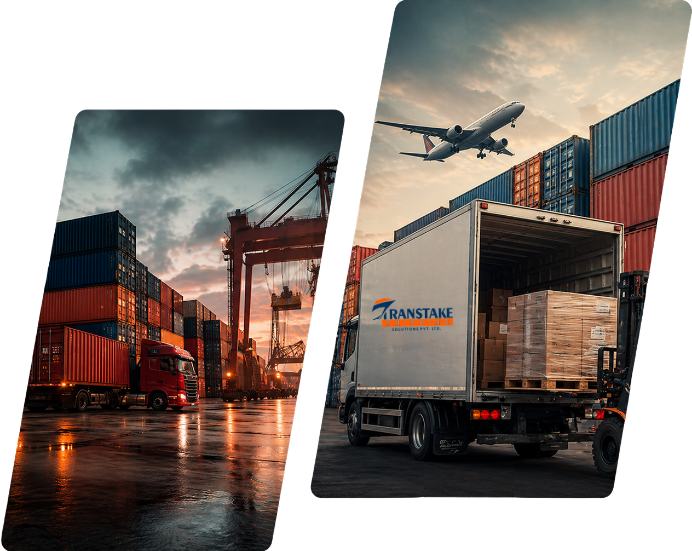
Transtake Shipping Solutions Pvt Ltd is a trusted logistics company in India, specializing in customs clearance, freight forwarding, and import-export services. We provide fast, reliable, and cost-effective shipping solutions across Mumbai, Delhi, Mundra, and Gujarat.

International shipping schedules and freight rates can change quickly due to port congestion, vessel omissions, blank sailings, equipment shortages, and changes in carrier operations.
For businesses importing goods from China, even a small change in ocean freight rates can significantly affect the overall landed cost of a shipment.
When port congestion increases or vessels are omitted from scheduled services, shipping lines may revise their rates, sailing schedules, and available capacity. Therefore, importers should always verify the latest freight rate and sailing schedule before confirming a booking.
At Transtake Shipping Solutions Pvt Ltd. , we help importers and exporters understand changing shipping conditions and plan their international shipments more efficiently.
China port congestion occurs when a port experiences unusually high traffic or operational delays, resulting in vessels, containers, trucks, or cargo taking longer than normal to process.
For importers, these delays can create uncertainty around both delivery timelines and freight costs.
A vessel omission occurs when a scheduled vessel or port call is skipped or removed from the planned sailing schedule.
This can happen for several operational reasons, including::
When a vessel is omitted, cargo may need to be moved to another sailing. This can result in delays, revised schedules, or changes in freight rates.
Port congestion can put pressure on available vessel and container capacity. When capacity becomes limited, shipping lines may revise freight rates and introduce applicable surcharges.
For importers, this means that a freight quotation received earlier may not necessarily remain valid when the shipment is ready for booking.
Important point: Do not rely only on an old freight quotation. Always confirm the current applicable rate before booking your shipment.
Freight rates can change because of market conditions, carrier policies, fuel costs, congestion, demand, and additional surcharges.
Before confirming a shipment, businesses should verify:
This simple verification can help businesses avoid unexpected increases in shipping costs.
GRI stands for General Rate Increase. It is an increase announced by a shipping carrier on its base freight rates for specific routes or services.
GRI may affect the cost of transporting goods internationally. However, the actual amount payable can depend on the applicable route, container type, carrier, shipment date, and other charges.
Therefore, importers should confirm the latest carrier tariff and applicable charges before finalizing their booking.
Apart from the basic ocean freight, shipments may be subject to additional charges depending on the route, carrier, cargo, and prevailing circumstances.
Examples can include:
Not every surcharge applies to every shipment. The applicable charges should be confirmed with the shipping line or logistics provider before booking.
Businesses cannot control global freight markets, but they can improve their shipment planning.
Before booking cargo from China, importers should ask:
Global shipping conditions can change rapidly. Port congestion, vessel omissions, capacity constraints, GRI announcements, and additional surcharges can all influence shipping costs and delivery schedules.
For businesses importing from China, the best approach is to stay informed, verify current freight rates, confirm sailing schedules, and understand all applicable charges before booking.
At Transtake Shipping Solutions Pvt Ltd., our objective is to help businesses navigate international shipping requirements with better planning, communication, and logistics support.
Working Experience

 Why Choose Us
With strong industry experience, we deliver secure, timely, and compliant logistics solutions across Mumbai, Delhi, Mundra, and Gujarat.

Quick and compliant clearance ensuring your shipments move without delays across major ports.

From small consignments to full loads, we offer scalable logistics services tailored to your needs.

Complete support from pickup to delivery with proper documentation and real-time shipment handling.